How to Start a PG or Hostel Business in Kerala & Metro Cities: The Complete Legal, Tax, & Financial Guide
Thinking of starting a PG or hostel business? Read our ultimate step-by-step guide on licensing, building rules, GST compliance, city-specific laws, and financial returns.
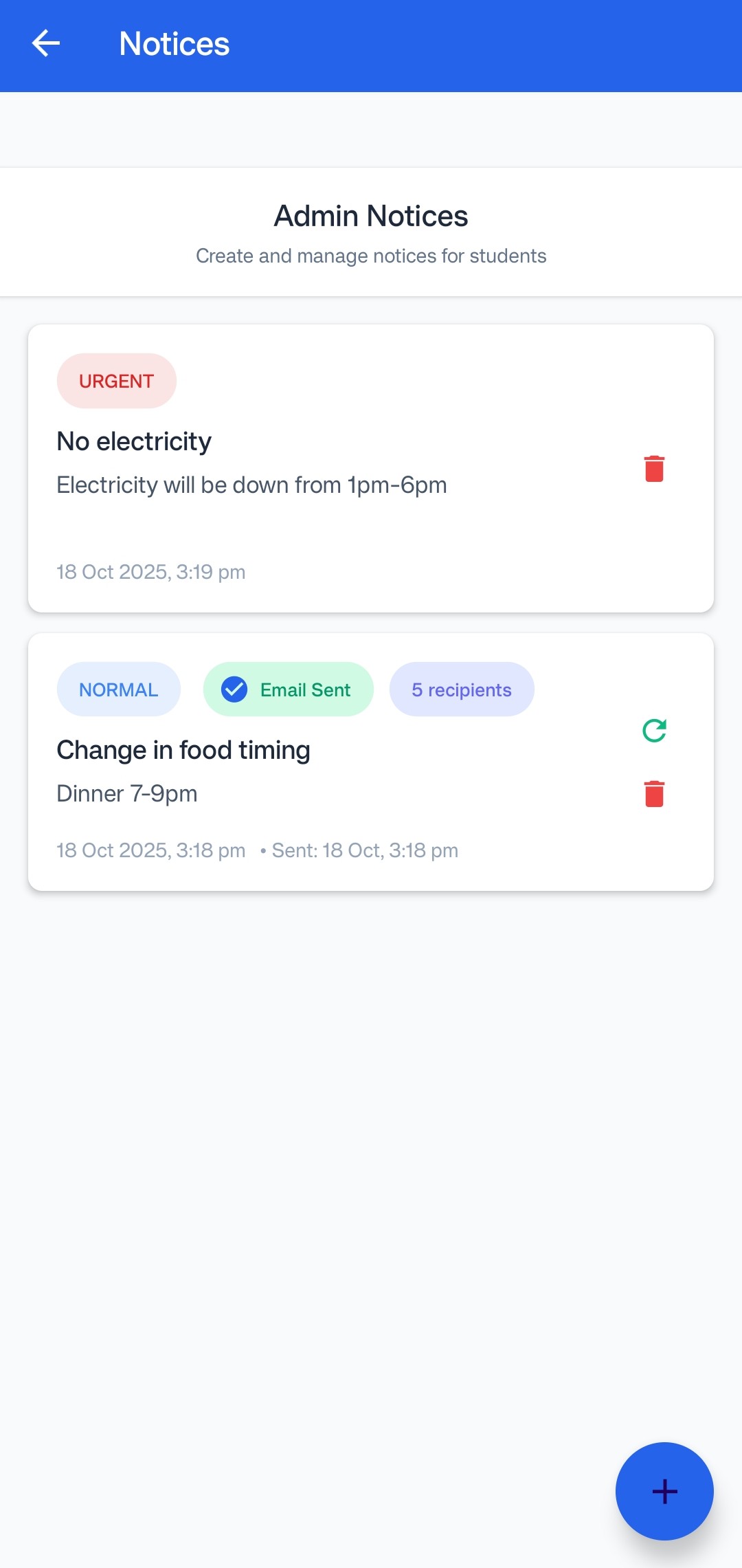
Starting a student housing, co-living, or Paying Guest (PG) hostel business in India is a highly lucrative real estate venture. With millions of students and young professionals migrating to educational and IT hubs daily, demand is robust. However, running a successful co-living brand requires navigating complex local bylaws, tax structures, and operational risks. Since rules differ significantly across municipal jurisdictions, understanding local requirements is vital to avoid compliance issues.
Phase 1: City-Specific Licenses & Legal Frameworks
Before leasing or renovating a property, you must secure municipal trade licenses and clearances. Here is the legal checklist mapped across major hubs:
- Kerala (Kochi, Trivandrum, Calicut):
- KMBR Building Classification: Buildings must comply with the Kerala Municipality Building Rules (KMBR) under Occupancy Group A2 (Special Residential / Lodging). You must apply for a change-of-use certificate if converting a residential house.
- LSGD D&O License: Secure a Dangerous and Offensive (D&O) Trade License from the local Municipal Corporation or Municipality via the LSGD Kerala Citizen Portal.
- Social Welfare Department NOC: For women's hostels, registration with the Social Welfare and Women Empowerment Department is mandatory, requiring local inspector clearances.
- Bangalore (Karnataka):
- BBMP Guidelines: The Bruhat Bengaluru Mahanagara Palike (BBMP) enforces strict co-living rules. A mandatory trade license is required. Rooms must provide a minimum of 70 sq. ft. of clean area per resident.
- Safety Mandates: Active CCTV setups with a minimum of 30 days backup footage are required, alongside fire safety clearance from the Karnataka Fire Department.
- Chennai (Tamil Nadu):
- TN Hostels and Homes Act: Hostels must register under the Tamil Nadu Hostels and Homes for Women and Children Act. Operators must submit structural stability certificates and warden background checks.
- Chennai Corporation License: Apply for a commercial trade license from the Greater Chennai Corporation.
- Pune & Mumbai (Maharashtra):
- Gumasta License: Register the business under the Maharashtra Shops and Establishments Act (Gumasta License) via the local Municipal Corporation (PMC/PCMC).
- Society NOC: In residential apartment structures, formal NOCs from the Cooperative Housing Society (CHS) are mandatory.
- Other Indian Metros (Delhi NCR, Gurgaon, Noida, Hyderabad):
- Shops & Establishments Registration: Mandatory to register under the state’s Shops and Establishments Act.
- Municipal Trade Certificate: Obtain trade permissions from local bodies like MCF (Faridabad), MCG (Gurgaon), or GHMC (Hyderabad).
- Police & Fire NOCs: Essential to get verification clearances from the local police commissioner’s office and fire authority NOCs.
Phase 2: GST, Income Tax, & TDS Compliance
Structuring your business correctly prevents tax audits and improves profit margins:
- GST Thresholds: GST registration is optional if your annual business turnover is under the standard threshold (typically ₹20 Lakhs in India). Under standard tax rules, commercial subleasing of properties for co-living services attracts a standard GST bracket (usually 12%). Consult a chartered accountant to review recent notifications and optimize lease structures.
- Section 194I TDS on Rent: If you rent a property and the annual rental value exceeds the standard tax limit (currently ₹2.4 Lakhs per annum), you are legally required to deduct 10% TDS (Tax Deducted at Source) on payments to the property owner.
- Property Classification: Ensure the property tax assessment is registered under commercial rates with the municipal body. Operating a commercial hostel in a building assessed under residential rates can lead to municipal penalties.
Phase 3: Operational Feasibility & Cost Distribution Model
Setup and operating costs vary widely depending on the city and micro-market (e.g., Kakkanad in Kochi vs. HSR Layout in Bangalore). Instead of using fixed amounts, successful operators rely on cost-ratio frameworks:
1. Capital Expenditure (CapEx) Distribution
Your initial setup budget should generally allocate:
- Property Security Deposit (Refundable): Typically ranges between 3 to 10 months of building rent, depending on local market standards.
- Furnishing & Amenities (30-35% of CapEx): Beds, mattresses, individual wardrobes, study desks, and basic common-area furnishings.
- Appliances & Infrastructure (20-25% of CapEx): Washing machines, water purifiers, Geysers, and kitchen equipment.
- Licensing, Safety, & Tech (10-15% of CapEx): Mandatory CCTV setups, fire extinguishers, commercial broadband access points, and initial licensing fees.
2. Monthly Operating Expenses (OpEx) Model
A healthy, scalable co-living business targets the following operational budget ratios:
- Building Lease Rent: Should not exceed **20% to 25%** of target gross revenue at 90% occupancy.
- Food & Groceries (For Mess services): Typically consumes **35% to 40%** of total monthly collections.
- Staff Salaries (Warden, Cook, Housekeeping): Allocates approximately **12% to 15%** of expenses.
- Utilities (Broadband, Electricity, Water): Accounts for **8% to 10%** of monthly OpEx.
- Maintenance & Operations Buffer: Keep **5%** for unexpected repairs.
3. Profitability and Payback Targets
Co-living businesses should target a gross rental yield of **15% to 20%** on the property value, with net operating profit margins of **20% to 25%**. Enforcing a strict 1-month security deposit policy and tracking accounts carefully helps properties maintain a payback period (recovering initial CapEx setup costs) within **12 to 18 months**.
Phase 4: Key Risks & Operational Mitigation
Mitigating these core business risks is essential to maintain high returns:
- Seasonality Vacancies: Student accommodations experience high vacancies during term breaks. Operators offset this by locking students into 10-month or 11-month mandatory agreements.
- Warden Fraud & Cash Leaks: Wardens pocketing cash or writing discrepancies in paper diaries is a major cause of revenue leakage. Enforcing a strict system-generated digital receipt policy prevents this.
- High Tenant Turnover: Unresolved complaints (slow WiFi, plumbing issues) drive residents away. Maintaining a clear digital log of maintenance tasks and standardizing resolutions reduces exits.
Phase 5: Legal Data Retention & Cloud Security
In India, hostel and PG owners bear legal responsibility for tenant activities on their premises. Under local state Police Acts (such as Tenant Verification guidelines), police departments and legal experts recommend maintaining historical logs of checked-out occupants for 2 to 3 years to assist in active law enforcement inquiries or resolve retrospect disputes. Physical paper registers get ruined by rain/moisture, and local spreadsheets are easily deleted by staff. Using a secure cloud platform like Dormico allows you to archive checked-out resident profiles for **up to 2 years**:
- Identity Proofs: Aadhaar numbers, PAN, or passport photos stored securely in the cloud.
- Parent/Local Guardian Details: Instantly accessible during emergencies or legal audits.
- Signed Lease Agreements & Ledgers: Digital transaction history showing check-in and checkout timestamps.
Phase 6: The Dormico Automation Advantage (Why Owners Choose Us)
Beyond legal compliance, scaling a PG business requires professional operations. Dormico provides a modern, cloud-based software stack tailored specifically for Indian co-living operators:
- Self-Onboarding WhatsApp Links: Save hours of data entry. Staff share a custom link via WhatsApp. Tenants fill their own details (Aadhaar KYC, local guardian contacts, photo upload). Once submitted, the owner or warden verifies details, assigns the room and rent pricing, and accepts the onboarding with one click.
- Flexible Rent Reminders: Prevent delayed payments. Dormico sends automated rent due notifications via email, and provides quick-share links to send manual dues alerts directly to parents or tenants on WhatsApp.
- Per-Hostel Staff Access: Stop ledger fraud and control view access. Grant staff access to only a single specific hostel branch, while you retain master dashboard controls to switch and view all properties at once.
- Drag-and-Drop Visual Bed Matrix: Replace paper room layout diaries. Get a color-coded grid of your entire property showing vacant beds, occupied beds, and residents on active checkout notice.